
Acquitted after years.
Justice has no expiry date.
7 years in pre-trial detention.
25 years of suffering.
AN UNFORGIVING JUSTICE SYSTEM.
A FIGHT FOR MILLIONS IN COMPENSATION.
Kraków, 1999. The murder and skinning of a religious studies student became one of the darkest mysteries in Polish criminal history.
When Robert Janczewski was arrested years later, public opinion had already reached its verdict before the trial began. Accused of unthinkable acts, he was tried behind closed doors in a case based on circumstantial evidence. The first-instance court sentenced him to life imprisonment in a judgment that was subject to appeal.
For many, the case was closed. We fought to establish his innocence. As his defence counsel, we challenged a conviction based on conjecture and media pressure. After an exhaustive court battle, we secured Robert Janczewski’s final acquittal on appeal and restored freedom to a man the system had given up on.
HBO documentary series
The new HBO Max documentary series goes behind the scenes of Robert Janczewski’s case. It examines how the justice system handled an accusation based on questionable circumstantial evidence, years of supposedly temporary detention and a dramatic fight to establish the truth. The documentary exposes the brutal workings of a system in which the machinery of the state can overwhelm an individual.
In the series, attorney at law Łukasz Chojniak reflects on his years of work on Robert Janczewski’s case. The documentary also features Maciej Wiśniewski, who supported him in his work on the case.
The line between circumstantial evidence and conjecture
Robert Janczewski’s case shows how far investigators can go when determined to solve a case at any cost.
Gathering the evidence cost the Polish State Treasury at least several million złoty. Public funds went towards numerous unnecessary expert opinions, as well as assistance from a clairvoyant.
As defence counsel, we showed why the line between circumstantial evidence, conjecture and prejudice must be respected. The prosecution crossed that line, followed by the first-instance court. On the strength of highly questionable evidence, the court sentenced Robert Janczewski to life imprisonment for a crime he did not commit. The evidence did not establish his guilt.
Expert opinions and witness testimony were central to the case. We successfully challenged both.
We showed that academic credentials alone cannot guarantee the reliability of an expert’s findings. The opinions were flawed and, above all, did not support the conclusions the prosecution drew from them.
Many witness statements were anonymised. The prosecution relied on what are known as anonymous witnesses. As defence counsel, we did not know their identities and had no opportunity to question them directly.
The earlier interview records were disclosed during the appeal proceedings. For the first time, the defence was able to take part in questioning those witnesses directly.
Their testimony showed that the earlier statements, on which the indictment relied in anonymised form, could not be used as evidence against Robert Janczewski.
On 31 October 2024, the Kraków Court of Appeal finally acquitted Robert Janczewski of the charge. At the time of writing, proceedings seeking compensation for manifestly unjustified pre-trial detention are pending before the Regional Court in Katowice. The State must take responsibility for the harm done to Robert Janczewski.
CHW lawyers involved in Robert Janczewski’s case
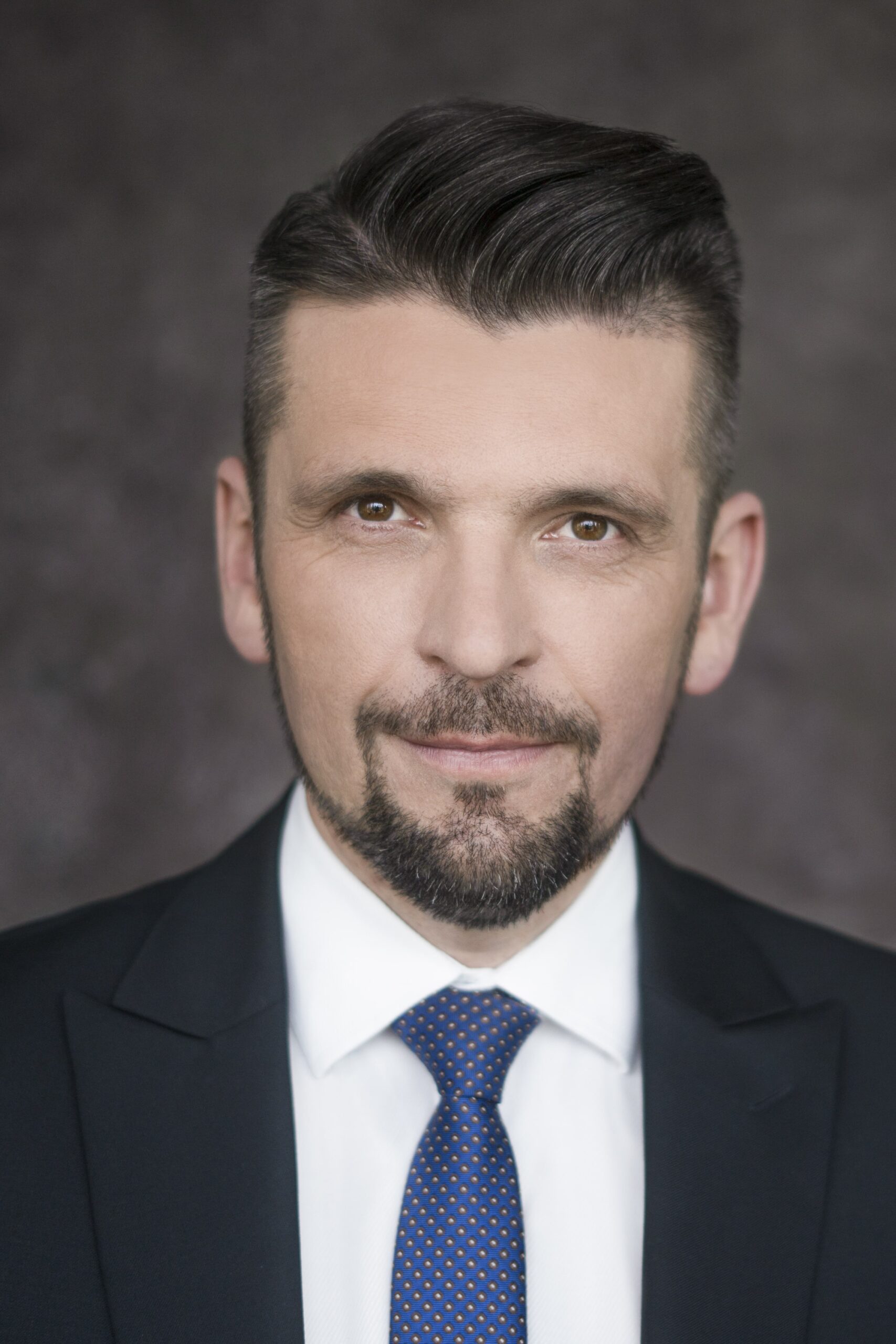
Łukasz Chojniak, Ph.D.
Partner
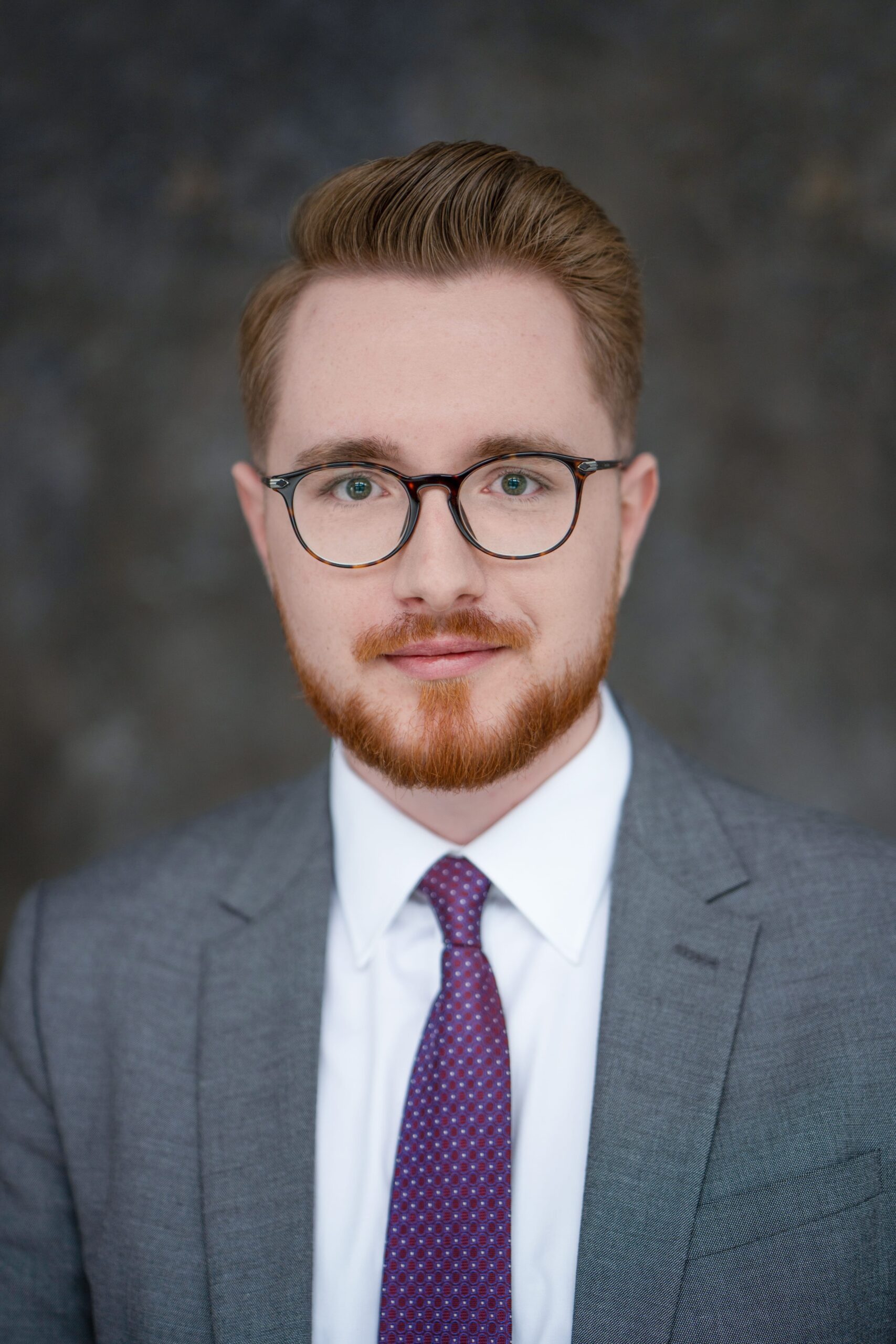
Maciej Wiśniewski
Trainee attorney